What Is Actually Growing Inside a Dirty Trash Can?
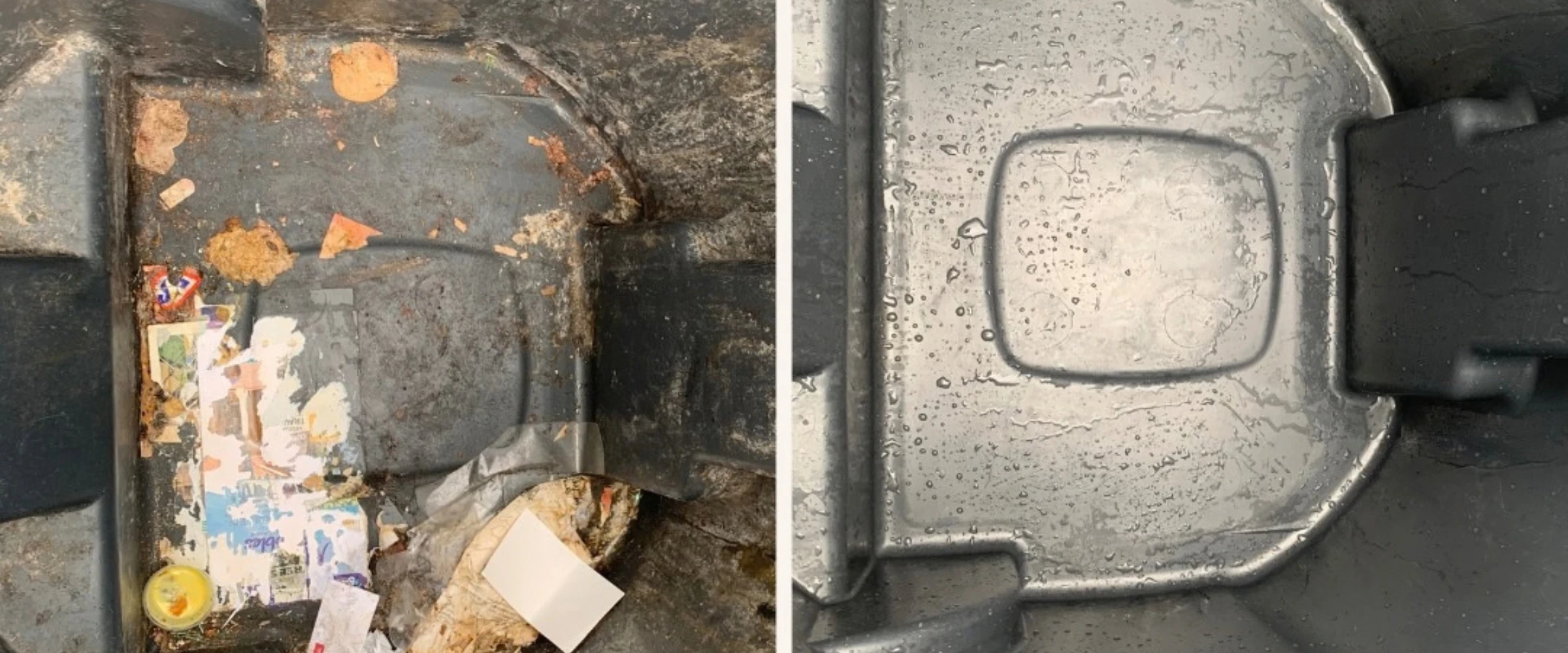
That dark film at the bottom of your trash can is not always just dirt. Food residue, leaking garbage bags, moisture, grease, and other organic material can create conditions where microorganisms multiply, mold can develop, and flies may lay eggs that become maggots.
That does not mean every dirty bin is a serious health hazard. It does mean that an occasional rinse may leave behind more residue than you realize. Regular trash can cleaning helps remove the organic buildup that gives odors, microorganisms, and pests something to work with.
For homeowners in Glendale, AZ, the combination of household waste, moisture, and hot weather can make an already unpleasant bin smell worse surprisingly quickly. Here is a closer look at what may actually be happening inside your garbage can.
Bacteria Can Multiply on Leftover Organic Residue
Trash cans regularly come into contact with food scraps, packaging, liquids, pet waste, used paper products, and whatever escapes a torn or leaking garbage bag.
Even after the trash truck empties the container, a thin layer of residue may remain on the floor, sidewalls, lid, hinges, and other hard-to-reach areas. Microorganisms can remain within that grime, particularly when moisture and organic material are available.
The U.S. Environmental Protection Agency explains that moisture is an important factor in microbial growth and that regular cleaning can help reduce the growth of microorganisms.
You usually cannot judge this buildup by appearance alone. A bin may look relatively empty while still having sticky liquid dried along the bottom or residue underneath the lid.
That is one reason cleaning and simply emptying a trash can are two different things.
Mold and Other Fungi May Grow Where Moisture Lingers
Mold needs moisture and a source of nutrients. A garbage bin can occasionally provide both.
Think about what happens after a bag leaks. Liquid settles at the bottom, bits of food or paper remain behind, and the lid limits airflow. If the material stays damp, mold spores that are naturally present in the environment may have an opportunity to grow.
The EPA notes that molds need moisture to grow and can use many forms of organic material as a food source.
You might notice discoloration, fuzzy patches, or a musty smell, although not every stain inside a garbage can is mold. The practical response is the same: remove accumulated organic residue and avoid allowing standing liquid to remain inside the cart.
Maggots Are Fly Larvae, Not Something That Appears From the Trash Itself
Few discoveries make people close a trash-can lid faster than maggots.
They do not spontaneously grow out of old garbage. Maggots are the larval stage of flies. Adult flies can be attracted to moist, decomposing organic material and may lay eggs in food waste or similar material. Those eggs hatch into larvae.
University extension guidance on fly management specifically identifies food waste in garbage cans and dumpsters as potential egg-laying sites for certain flies.
Common conditions that may make a bin more attractive to flies include exposed food scraps, leaking trash bags, meat or other organic waste, accumulated residue, and moisture.
Cleaning the bin removes material that can attract flies, but it should not be treated as pest control or as a guarantee that maggots will never return. New waste can create attractive conditions again.
That Slippery Film Is Often More Than Plain Water
Have you ever opened a recently emptied garbage can and found a slick coating along the bottom?
It may be a mixture of liquids and residue from everything previously placed inside the bin. A leaking drink container, discarded food, condensation, grease, sauces, and a damaged trash bag can combine into a surprisingly persistent layer.
Once that mixture dries, spraying the bin briefly with a garden hose may remove loose material without fully removing what has adhered to the plastic.
This is also why adding fragrance alone does not solve the underlying problem. Covering an odor does not remove the material producing it.
Why Dirty Trash Cans Develop Such Strong Odors
The smell coming from a garbage can is often the result of several things happening at once.
Food and other organic waste begin breaking down. Liquids escape from bags. Material sticks to the bin. Microorganisms act on organic residue. New garbage is repeatedly placed on top of old buildup.
Heat can make the experience even more noticeable. In Glendale and across the Phoenix area, bins often spend substantial time outdoors or in warm garages, which can make decomposing waste particularly unpleasant.
Even after collection day, odor can linger if residue remains attached to the bottom and walls.
Cleaning can reduce that existing buildup and odor. It cannot permanently prevent smells because new trash, leaks, and food waste may introduce new residue afterward.
Why a Garden Hose May Not Remove Everything
Rinsing your garbage can at home can certainly help. A hose may wash away loose debris, visible dirt, dust, and some fresh residue.
The limitation is that water flowing over a surface is not always enough to remove material that has dried, hardened, or become stuck in corners and textured areas.
Professional cleaning is designed to provide a more thorough process rather than functioning as an ordinary driveway pressure-washing job.
At Super Bin Wash, we use trucks designed for bin cleaning and 200°F water to clean the interior and exterior of the containers. Our process also includes sanitizing and deodorizing.
Service is coordinated around trash collection so the bins can be empty for cleaning. Customers receive reminders and are asked to leave the empty cans curbside for service.
What Professional Trash Can Cleaning Actually Removes
The most important part of professional bin cleaning is not making the plastic look shiny. It is removing the layers of material that ordinary trash collection leaves behind.
That can include dried food residue, sticky liquids, grime, material stuck around the lid and walls, debris collected at the bottom, and other organic buildup.
Our Waddell-area garbage bin cleaning service, for example, includes high-pressure hot-water washing of the inside and outside of trash and recycling bins, followed by sanitizing and deodorizing.
Removing existing residue gives odor-producing material and microorganisms less accumulated organic matter to remain in between collection days.
It is still normal for a cleaned bin to become dirty again. A fresh leak or loose bag of food waste can start another cycle, which is why some households prefer recurring service while others choose occasional cleaning based on how their bins are used.
How to Reduce Buildup Between Cleanings
What goes into your bin matters almost as much as how often the container itself is washed.
Use trash bags that are appropriate for the amount and weight of waste you are throwing away. Tie bags securely, especially when they contain food waste or liquids. Avoid pouring loose liquids into the bin, and clean up significant spills rather than allowing them to remain through multiple collection cycles.
Keeping the lid closed can also limit easy access for flies and other pests, although no lid or cleaning routine can guarantee a completely pest-free garbage can.
If you rinse your own bin, allow it to drain and dry before closing it whenever practical. Leaving unnecessary moisture behind can create better conditions for microbial or mold growth.
Cleaning, Sanitizing, and Disinfecting Are Not the Same Thing
These terms are often used interchangeably, but they have different meanings.
The CDC describes cleaning as the physical removal of dirt, impurities, and germs using methods such as water, soap, and scrubbing. Sanitizing reduces germs to levels considered safe under public-health standards, while disinfecting uses chemical products to kill remaining germs on surfaces.
For a dirty garbage can, physical removal of residue matters because heavy grime can interfere with later sanitizing or disinfecting steps.
This distinction is useful when evaluating any trash-can cleaning method. A bin that smells strongly of fragrance is not necessarily clean, just as a bin that looks empty is not necessarily free of accumulated residue.
Useful Resources for Safer Trash Can Cleanup at Home
If you clean your garbage cans yourself between professional services, reliable product and safety information matters more than experimenting with stronger chemical mixtures.
CDC Cleaning and Disinfecting Guidance explains the difference between cleaning, sanitizing, and disinfecting and provides general household cleaning guidance. It is especially useful if you are unsure when ordinary cleaning is sufficient.
EPA Guidance on Reading Cleaning and Disinfectant Labels explains why label instructions matter when using household cleaning and disinfecting products. Use only products suitable for the surface and follow the manufacturer's directions.
EPA Mold and Moisture Guidance explains the role moisture and organic material play in mold growth. The same basic principle is useful around garbage cans: limiting lingering moisture and residue makes conditions less favorable for growth.
CDC Bleach Safety Guidance provides safety information for households that use bleach products. Never mix bleach or disinfectants with other cleaning chemicals, and always follow the product label.
These resources are general consumer guidance and are not an indication that Super Bin Wash uses or endorses any particular household cleaning product.
How Often Should a Trash Can Be Cleaned?
There is no universal schedule that fits every household.
A family generating substantial food waste may notice buildup much sooner than a household that produces mostly dry, securely bagged garbage. Leaking bags, pet waste, the number of people in the home, outdoor temperatures, odor, and personal preference can all influence how frequently cleaning makes sense.
Super Bin Wash offers monthly, bi-monthly, quarterly, bi-annual, and one-time service options, allowing homeowners to choose a schedule based on how quickly their bins become dirty.
If you constantly find liquid or food residue in the bottom shortly after collection, more frequent maintenance may be useful. If your cans stay relatively clean, occasional service may be enough.
Trash Can Cleaning Removes the Conditions Behind the Mess
So, what is actually growing inside a dirty trash can?
Potentially, microorganisms and mold can multiply where moisture and organic residue remain. Fly eggs can develop into larvae when flies find suitable food waste. At the same time, grease, liquids, food residue, and general grime continue accumulating even when nothing visibly appears to be "growing."
The common denominator is buildup.
Removing that material is more useful than simply masking its smell. Professional trash can cleaning provides a deeper option when a quick household rinse is no longer getting the bin as clean as you want it.
Frequently Asked Questions About Dirty Trash Cans
How does your trash bin cleaning service work?
Our trash bin cleaning service is designed to make the process easy for our customers. We schedule your bin cleaning around your normal trash day. After your trash has been collected, simply leave your empty trash cans and recycling bins at the curb.
Our professional equipment uses high-pressure hot water to clean the inside and outside of your bins. The cans are then sanitized and deodorized to help reduce bacteria, germs, grime, and odors. These simple steps can make a noticeable difference when you are dealing with dirty bins or a stubborn smell.
When the job is complete, your trash and recycling bins are ready to return to your house. Our goal is to provide a quick, reliable, and professional service without making your trash day more complicated.
How often should I have my trash cans cleaned?
There is no single schedule that works for every home. Some trash cans stay fairly clean, while others become smelly within a week or two because of food waste, leaks, pets, heat, or other types of garbage.
For homes that produce a lot of food waste, a monthly service may be a good choice. Other customers may prefer service every two months, quarterly, twice a year, or as needed. Your budget, the number of people in your family, and how quickly your cans get dirty can all help you choose.
We offer an affordable cleaning schedule so residential customers can select the option that makes the most sense for them. If you are unsure, contact our company and we can help you decide which plan is a good fit.
What do you remove from dirty garbage cans?
Our garbage bin cleaning process is meant to remove the mess that normal trash collection can leave behind. That may include dried food, sticky liquids, grease, dirt, loose garbage, buildup on the lid, and residue at the bottom of a garbage bin.
Cleaning also helps remove material that can contribute to bacteria, germs, unpleasant odors, and a lasting smell. The goal is not simply to cover up the odor. We work to physically clean the surfaces of the garbage cans.
Regular trash bin cleaning can improve overall cleanliness and hygiene, especially when a basic hose rinse is no longer enough. Many customers are surprised by how different their bins look and smell once the service is finished.
Do you clean both trash and recycle bins?
Yes. We can clean trash and recycling bins, including standard household trash bins and recycling bins. Recycling containers can also collect spills, food residue, liquids, and grime from bottles, cans, boxes, and other items.
Whether the container is used for trash or recycling material, the cleaning process is similar. We use hot water and pressure to remove buildup, then leave the containers sanitized and deodorized.
Keeping both types of bins clean can help reduce odors around your garage, driveway, or house. If you need several cans cleaned, let us know when you schedule your service.
Is your bin cleaning process safe and eco-friendly?
Our cleaning method relies heavily on high-pressure hot water to remove stuck-on residue from trash cans and garbage cans. Using the right equipment allows us to do a thorough job without homeowners having to experiment with strong chemical mixtures on their own.
We work with care and focus on providing a safe, responsible, and eco-friendly approach to routine bin cleaning. Professional equipment also helps control the dirty wash water instead of simply allowing grime from the cans to spread across a driveway.
For homeowners who care about hygiene, cleanliness, and keeping the area around their home more pleasant, professional cleaning can be a practical option. Remember that no cleaning process can permanently disinfect a bin once new waste is placed inside, but regular cleaning helps remove the old residue that builds up over time.
Do I need to be home when you clean my bins?
No. In most cases, you do not need to be at your house while we perform the cleaning service. We coordinate service with your regular trash day, so you can simply put the empty cans where instructed after collection.
That makes the process convenient for busy families and homeowners. There is usually no need to take time away from work or change your entire day. Just follow the service instructions, leave the cans available, and our team handles the cleaning.
Our goal is to be responsive, friendly, and reliable from the time you sign up until the job is complete. Customers often tell us they are happy, impressed, or that the bins have turned out far cleaner than expected. We appreciate hearing that our team did an excellent job, an amazing job, or provided great service and an awesome experience.
How much does trash bin cleaning cost?
The amount you pay can depend on the number of bins, the type of service, and how often you want them cleaned. A one-time cleaning may make sense if you are dealing with especially dirty bins, while recurring service can help keep buildup under better control.
We aim to provide an affordable service with options for different household needs and budgets. A recurring or monthly service may also be useful for homes where garbage cans become dirty quickly.
For current pricing or a specific deal, please visit our site or contact us directly. We can explain the available options and help you find a cleaning plan that fits your budget. There is no need to guess which service makes sense for your cans.
What areas do you serve?
Super Bin Wash is a locally owned, family-owned, and operated business providing professional trash bin cleaning throughout the Phoenix area in AZ. We are proud to be a local company serving residential customers who want clean trash cans without having to scrub the cans themselves.
Our service area includes Phoenix, Glendale, Waddell, Peoria, Surprise, Avondale, Goodyear, Laveen, Sun City West, Anthem, and nearby communities. Availability may vary by location and service day, so the easiest way to confirm service for your address is to contact us.
We focus primarily on residential bin cleaning, and you can also ask us about possible options for businesses. As a local family business, we work hard to provide dependable service, take good care of our customers, and make it easier to keep garbage and recycling containers clean.
Give the Buildup Somewhere Else to Grow
A trash can will never stay spotless forever. It is designed to hold garbage, and every new bag can introduce another spill, drip, or layer of residue.
What you can control is how much old buildup remains between collection days. Regular garbage bin cleaning can help remove stuck-on grime, residue, and odors that may remain after normal trash pickup.
Super Bin Wash provides professional garbage bin cleaning and trash can cleaning for homeowners in Glendale and throughout Metro Phoenix. If your cans have developed stubborn residue or odors that a basic rinse is not handling, call us at (602) 837-4438 or Contact Us to discuss service.


